The Clinical Challenge with Fertility Preservation in Endometriosis
Endometriosis affects 10% of reproductive-aged women and frequently requires surgical management. However, surgical treatment carries significant risks to ovarian reserve and future fertility.
Up to 13% of women undergoing endometriosis surgery may develop premature ovarian insufficiency (POI)
Despite this substantial risk, there remains conflicting evidence and a lack of clear international guidelines on when to counsel patients about fertility preservation.
This tutorial synthesizes leading research to provide practical, evidence-based guidance for identifying patients who may benefit from fertility preservation consultation.
KEY EVIDENCE BASE
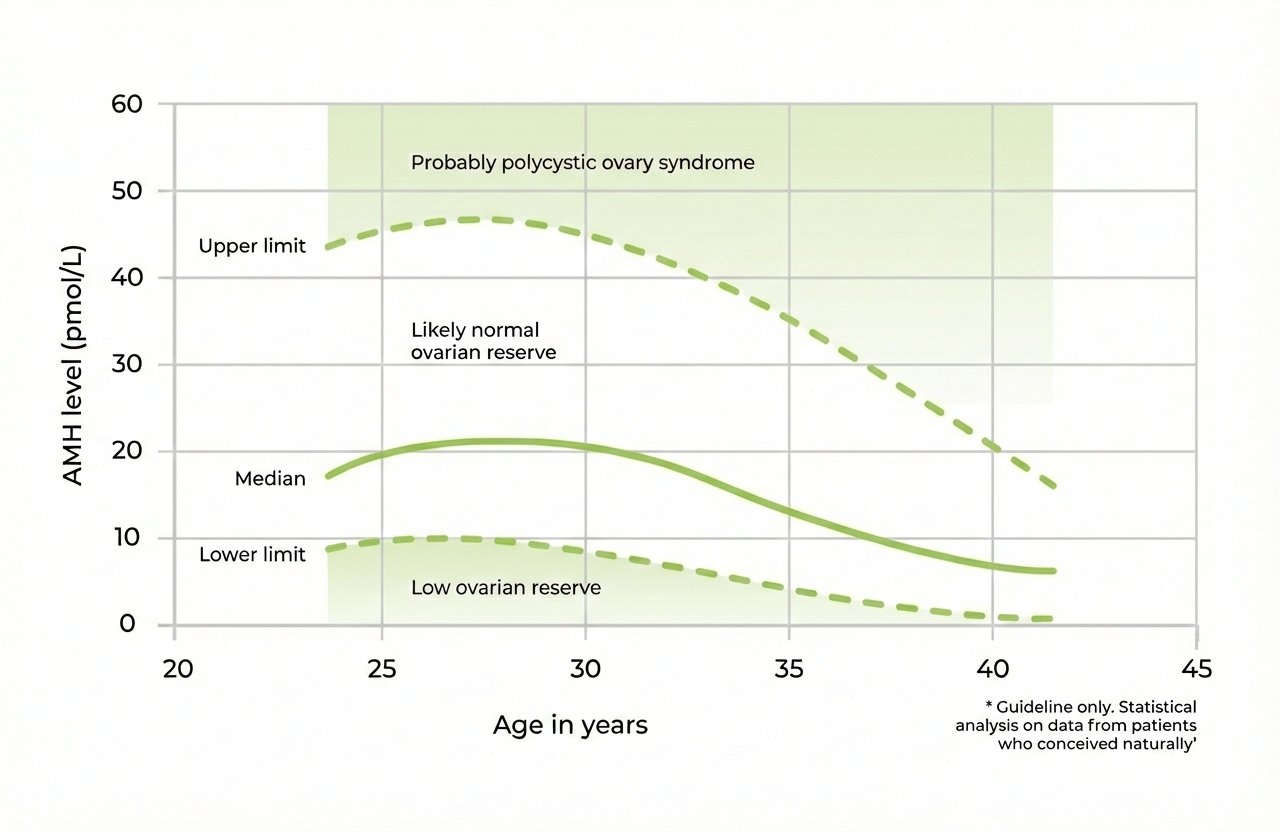
- La Marca A, et al. How Much Does AMH Really Vary in Normal Women? Int J Endocrinol. 2013
- Somigliana E, et al. Risks of conservative management in women with ovarian endometriomas undergoing IVF. Hum Reprod Update. 2015
- As-Sanie S, Mackenzie SC, Morrison L, et al. Endometriosis: A Review. JAMA. 2025;334(1):64-78. doi:10.1001/jama.2025.2975
- Casalechi M, Di Stefano G, Fornelli G, Somigliana E, Viganò P. Impact of endometriosis on the ovarian follicles. Best Pract Res Clin Obstet Gynaecol. 2023. doi:10.1016/j.bpobgyn.2023.102430